
Featured Articles
UFC and WWE A Powerhouse Duo Redefining Sports and Entertainment

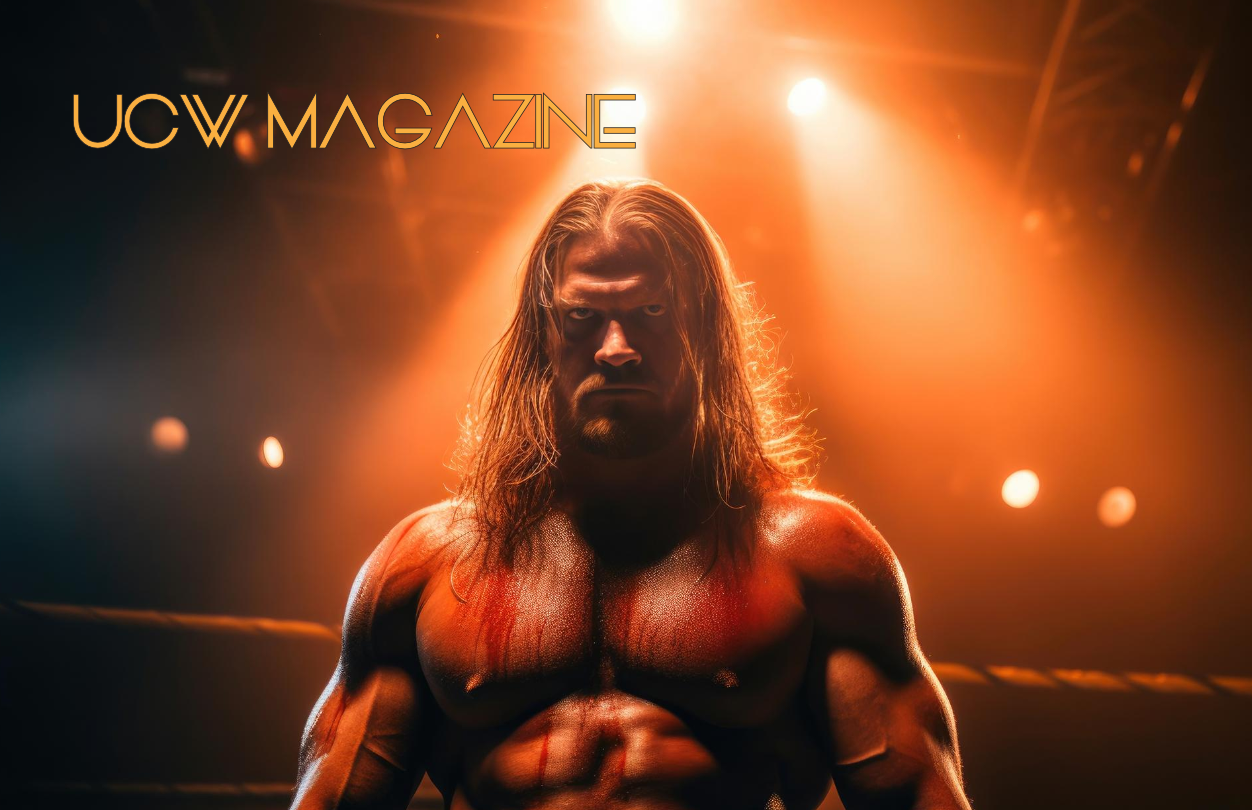

The UFC has long been a trailblazer in the world of sports, transforming mixed martial arts (MMA) from a fringe spectacle into a global phenomenon. Since Dana White took the helm in 2001, the UFC has grown exponentially, reshaping the narrative of combat sports and embedding itself into mainstream pop culture. Now, with the recent merger of the UFC and WWE under the banner of TKO Group Holdings, the sports and entertainment industries are poised for an evolution that will ripple across athletic and cultural landscapes.
The UFC’s Impact on Sports and Pop Culture
When Dana White and his partners acquired the UFC in 2001 for a modest $2 million, it was a struggling promotion. Through strategic marketing, savvy matchmaking, and regulatory efforts, White transformed the UFC into a billion-dollar juggernaut. The introduction of The Ultimate Fighter reality series in 2005 brought MMA into living rooms worldwide, making stars like Forrest Griffin and Stephan Bonnar household names. The UFC’s growth mirrored its athletes’ rise from fighters to celebrities, with figures like Conor McGregor and Ronda Rousey becoming icons of both sports and pop culture.
The UFC created opportunities for its athletes beyond the Octagon, opening doors to endorsement deals, film roles, and personal branding ventures. This evolution redefined what it means to be an MMA athlete, providing pathways that rival those in traditional sports like basketball or football.
UFC and WWE: A Perfect Match
The merger of the UFC with WWE under TKO Group is a game-changer. By combining the global reach and storytelling expertise of WWE with the gritty, high-stakes competition of the UFC, the two entities are creating a blueprint for the future of sports entertainment. For athletes, this merger means unprecedented opportunities. Just as WWE stars like Dwayne “The Rock” Johnson and John Cena transitioned into Hollywood, UFC fighters now have a direct pipeline to similar ventures, including film, television, and larger sponsorship deals.
This synergy also brings innovative cross-promotional opportunities. Fans could see UFC fighters appearing in WWE storylines or WWE stars making guest appearances at UFC events. The merger blurs the lines between sports and entertainment, creating a unified ecosystem where athletes can thrive in multiple arenas.
The Ripple Effect on Smaller Organizations
While the merger is a boon for TKO Group athletes, it presents a double-edged sword for smaller MMA promotions and independent pro wrestling organizations. On one hand, the heightened visibility of combat sports and entertainment could trickle down, bringing more attention to smaller leagues. The combined global influence of the UFC and WWE could create a broader audience interested in exploring alternatives, giving smaller promotions a chance to carve out niches by offering unique content, cultivating local stars, or emphasizing specific styles of fighting or storytelling. Promotions like Bellator or ONE Championship, for instance, may find opportunities to position themselves as “premier alternatives,” catering to fans seeking diversity beyond the TKO conglomerate’s offerings.
However, the challenges are significant. The UFC-WWE partnership, backed by enormous financial resources, brand equity, and mainstream media access, could overshadow smaller organizations. This dominance might lead to the monopolization of key revenue streams like sponsorships, broadcast deals, and media coverage. For example, as TKO Group secures lucrative global partnerships and captures the lion’s share of sponsorship dollars, smaller organizations could find it increasingly difficult to attract and retain corporate backers.
Talent pipelines also face disruption. The UFC and WWE now offer athletes unparalleled opportunities for cross-industry fame, higher earnings, and global exposure. Smaller MMA promotions like Cage Warriors or regional wrestling circuits may struggle to retain their rising stars, as TKO’s platform becomes an irresistible destination for top talent. This could result in a talent drain, where promising fighters and wrestlers leave smaller leagues prematurely, hampering the development of grassroots organizations.
For independent wrestling promotions, the situation is even more precarious. Promotions like AEW, Impact Wrestling, and NJPW have worked tirelessly to establish themselves as alternatives to WWE, with AEW in particular achieving notable success. However, the merger amplifies WWE’s capacity to dominate the industry. From acquiring talent to expanding its global presence, WWE’s heightened resources could put additional strain on independent promotions.
In response, smaller organizations must innovate to survive and thrive. For MMA promotions, this might mean doubling down on niche markets, building loyal local fanbases, or leveraging social media platforms to highlight distinctive athletes and storylines. For independent wrestling, storytelling, audience engagement, and alternative media strategies like streaming exclusives could become essential tools for differentiation. Collaboration among smaller promotions, cross-promotional events, and talent-sharing agreements may also help create a unified front to compete with the TKO powerhouse.
While the UFC-WWE merger represents a seismic shift in the industry, it also forces smaller players to think creatively and adapt. Those that successfully innovate may not only survive but also capitalize on the new wave of attention and interest in combat sports and entertainment.
A Glimpse Into the Future
The UFC-WWE merger sets the stage for a new era in sports and entertainment, one where storytelling, athleticism, and global reach converge. As sports increasingly intersect with media and entertainment, this partnership is likely to inspire similar moves across the industry. Imagine a world where the lines between traditional sports, eSports, and entertainment are blurred, creating endless possibilities for athletes and fans alike.
For the UFC, this is the culmination of two decades of transformation under Dana White’s leadership. For the WWE, it’s an opportunity to deepen its roots in mainstream culture. Together, they’re not just shaping the future—they’re defining it. As the TKO Group begins its journey, the world will be watching how it sets the stage for what’s next in sports and entertainment.
Joseph Achida
UCW Magazine