In The Pages
Superhero Syndrome, How a Childhood Comfort Became a Global Obsession

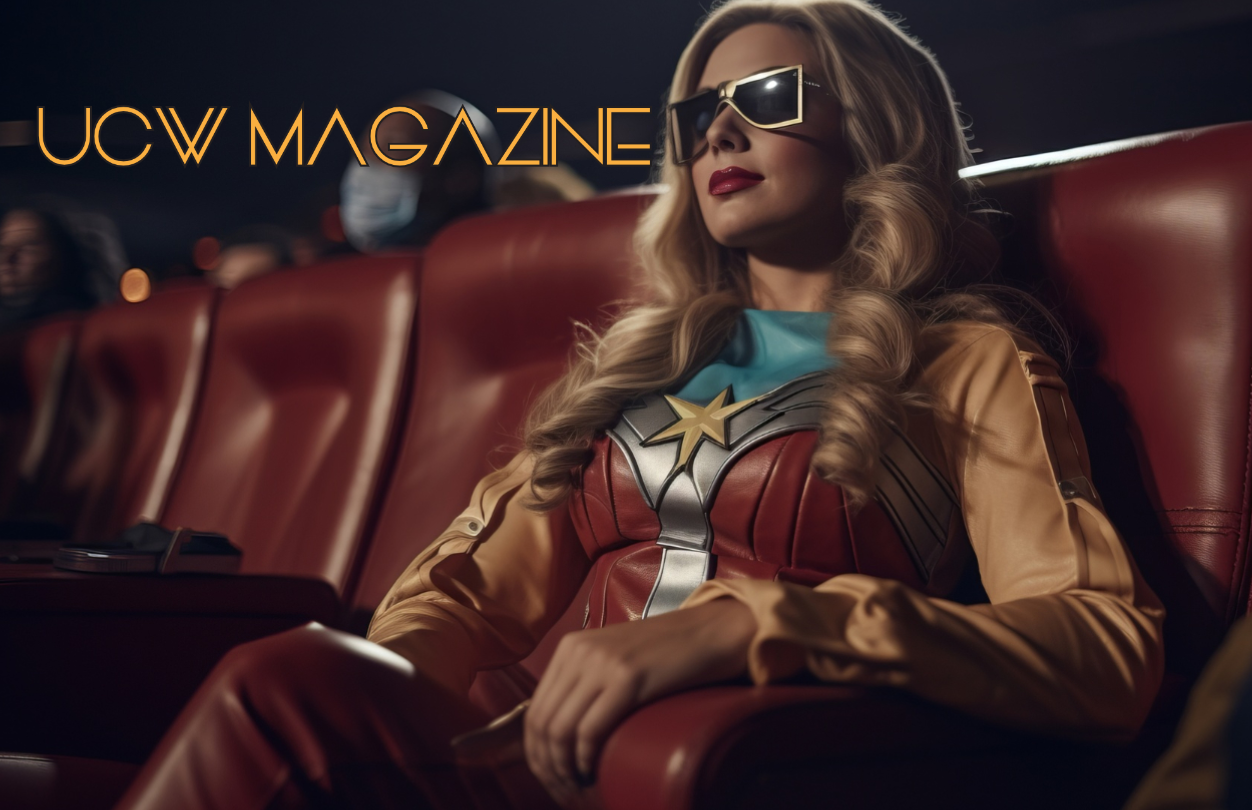

Superheroes were never meant to be ordinary. They were designed as exaggerated reflections of our best selves, braver, stronger, more resilient than any human could ever realistically be. Yet somewhere along the way, those exaggerated reflections stopped being just entertainment and became emotional anchors, cultural expectations and in some cases, personal burdens. As both a lifelong fan and someone who has spent years watching creators and studios shape these worlds, I’ve come to see superhero syndrome as more than a psychological quirk. It’s a cultural condition, one that Hollywood amplified, the global market monetized and millions quietly internalized.
Every fan knows the moment it happens. You’re a kid, the world feels too big, and suddenly there’s a character who can lift cars, fly through storms, or stand up to villains without flinching. For children, superheroes aren’t just cool, they’re comforting. They offer structure in chaos, courage in fear and a sense of justice when real life feels unfair.
Kids don’t just watch heroes, they become them. They tie towels around their necks, leap off couches and imagine themselves saving the day. It’s innocent, but it’s also formative. When parents falter, when sports idols disappoint, when teachers lose their temper, the superhero remains perfect. They don’t break, they don’t leave and they don’t fail. That reliability becomes emotional scaffolding.
Creators know this. Many openly admit that they write heroes to be aspirational because children need someone who doesn’t crumble. Studios know it too, they market heroes as symbols of hope, stability and moral clarity. And kids absorb every bit of it.
Hollywood didn’t invent superheroes, but it industrialized them. What began as ink on paper became billion‑dollar cinematic universes, global franchises, and cultural monoliths. Special effects made omnipotence look real. Story arcs made moral dilemmas digestible. Marketing made heroes unavoidable.
From the perspective of a fan, it’s thrilling. From the perspective of a creator, it’s pressure. Studios demand bigger stakes, louder battles and more invincible protagonists because audiences crave escalation. Creators often talk about the challenge of writing flawed heroes in a market that rewards perfection. The more Hollywood amplifies the myth, the harder it becomes to portray vulnerability without risking backlash.
Superhero syndrome thrives in this environment. When every blockbuster reinforces the idea that one extraordinary individual can save the world, people start believing, consciously or not, that they should be extraordinary too.
Superheroes aren’t just characters anymore; they’re an economy. Comics, graphic novels, films, streaming series, merchandise, video games, collectibles and even NFTs form a sprawling ecosystem worth hundreds of billions. Fans don’t just consume stories, they invest in them, wear them, display them and trade them.
Creators often describe this as both exhilarating and exhausting. Their characters become brands, their stories become assets and their universes become intellectual property empires. Studios see superheroes as reliable revenue streams, which is why every year brings new reboots, spin‑offs, crossovers and multiverse expansions.
For fans, this constant expansion feels like validation. The hero they loved as a child is now everywhere, on shirts, in games, on posters, in digital wallets. But it also reinforces the psychological loop: if heroes are omnipresent, then heroic ideals become omnipresent too.
Children grow up believing parents, athletes and public figures are heroes. But adulthood reveals the truth, real heroes are flawed. They make mistakes, they break down, they disappoint. That gap between expectation and reality can be jarring.
Superheroes fill that gap. They never age out of greatness. They never betray trust. They never lose their moral compass unless the story demands it and even then redemption is guaranteed. For some people, this becomes a quiet emotional refuge. For others, it becomes a standard they try to live up to.
This is where superhero syndrome becomes personal. People start taking on too much responsibility, refusing help, suppressing emotions and believing they must be the one who saves everyone around them. It’s admirable on the surface and destructive underneath.
Creators often walk a tightrope. They want to inspire, but they don’t want to create impossible standards. They want to tell stories of courage, but they also want to show vulnerability. Yet studios frequently push for the opposite, heroes who never falter, never fail and never show weakness unless it’s part of a grand narrative arc.
Many writers and artists have spoken about the responsibility they feel. They know children look up to these characters. They know adults internalize them. They know fans build identities around them. And they know that every story they craft shapes how people perceive strength, sacrifice, and resilience.
From the creator’s perspective, superhero syndrome isn’t just a fan phenomenon, it’s a cultural ripple effect of the stories they tell.
Fans love superheroes because they represent the best of us. They show what courage looks like, what justice feels like, and what hope can accomplish. But fans also feel the weight of those ideals.
Some fans push themselves too hard, trying to be the “strong one” in their family or workplace. Others feel guilty when they can’t fix everything. Some hide their struggles because heroes don’t cry. And many quietly believe that asking for help is weakness.
Superhero syndrome isn’t about fandom, it’s about identity. It’s about absorbing heroic narratives so deeply that they shape how you act, react and define your worth.
Studios see superheroes as cultural engines. They know these characters shape public imagination. They know they influence how people see themselves. And they know they carry enormous responsibility.
Some studios lean into the myth-making, pushing heroes as flawless icons. Others try to humanize them, showing trauma, doubt and vulnerability. The tension between profit and responsibility is constant. The superhero market is too lucrative to slow down, but the cultural impact is too significant to ignore.
Studios are increasingly aware that they’re not just producing entertainment, they’re producing modern mythology. And mythology always shapes psychology.
Superheroes inspire courage, kindness and resilience. They teach moral lessons. They give children hope. They give adults escape. They give creators purpose. They give studios revenue.
But they also create pressure. They create unrealistic expectations. They create emotional armor that people struggle to remove. They create a world where being human feels insufficient.
Superhero syndrome is the shadow of the hero myth. It’s what happens when inspiration becomes obligation.
The solution isn’t to abandon superheroes. It’s to reinterpret them. Heroes aren’t meant to be templates, they’re meant to be metaphors. They show what we could be, not what we must be.
Creators can help by writing heroes who fail, cry, doubt and heal. Studios can help by embracing vulnerability instead of perfection. Fans can help by remembering that even the strongest heroes rely on teams, allies, mentors and support.
The truth is simple, heroes don’t save the world alone. And neither should we.