Connect with us

More Features

Traditional Financial Institutions as Custodians of Cryptocurrency Could Bridge the Gap

Published

on

Facebooktwitterredditpinterestlinkedintumblrmail

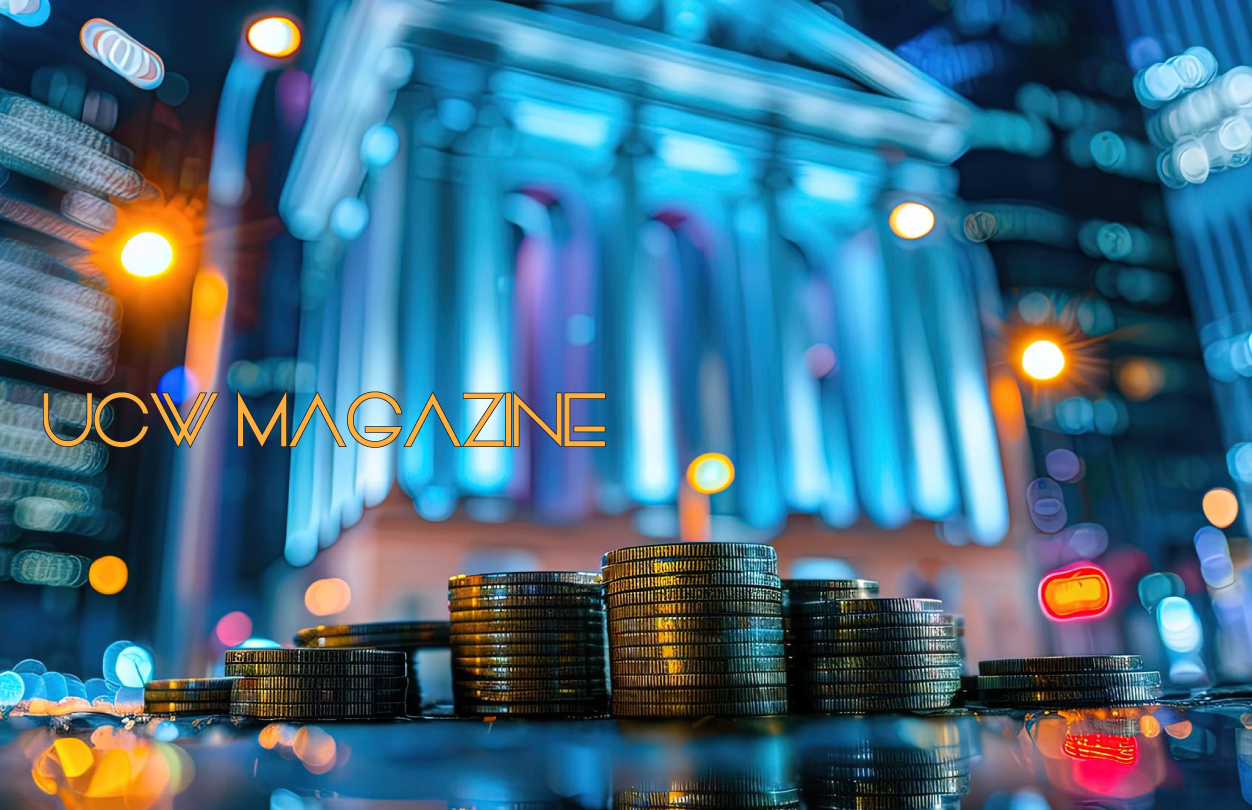
Traditional finance could play a pivotal role in bringing cryptocurrency further into the light but the right way. The intersection of traditional financial institutions (TradFis) and cryptocurrency custody services could mark a pivotal moment in the space. This integration would not only benefit investors seeking security and regulatory compliance but also presents new revenue streams and competitive advantages for the institutions themselves.

Let’s touch on some ways this could pave the way for oversight and enhance the crypto market ecosystem.

Benefits for Investors

  • TradFi’s bring with them robust security protocols and insurance mechanisms, instilling confidence in investors regarding the safety of their cryptocurrency holdings.
  • With TradFi’s as custodians, mainstream investors, previously wary due to security concerns and complexity, may find it easier to enter the crypto market, thus broadening its reach.
  • TradFi’s expertise in navigating regulations ensures adherence to anti-money laundering (AML) and know-your-customer (KYC) protocols, fostering a cleaner and more transparent market environment.
  • User-friendly platforms offered by TradFi’s streamline the management of cryptocurrency holdings alongside traditional assets, simplifying the overall investment process.


Benefits for Traditional Institutions

  • Offering cryptocurrency custody services presents TradFi’s with a lucrative opportunity to diversify their service offerings and generate additional revenue.
  • Embracing cryptocurrency allows TradFi’s to stay competitive and attract a broader client base, particularly younger and tech-savvy demographics.
  • By incorporating cryptocurrency into their portfolios, TradFi’s can provide clients with a more diversified investment landscape, potentially reducing overall risk exposure.

Path to True Oversight

  • Increased involvement of TradFi’s could expedite the development of clear and consistent regulations for the cryptocurrency market, fostering a more predictable and trustworthy environment.
  • Oversight by established financial institutions can help mitigate market manipulation and fraudulent activities, leading to greater stability and potentially reduced some of the extreme volatility in the crypto market.
  • TradFi’s accustomed to operating under regulatory scrutiny, can promote transparency within the crypto space, making transactions more traceable and accountable as they were meant to be. The utilization of blockchains core operations integrated into a traditional financial system could accomplish this in some ways.

Integrating traditional and digital asset custody systems will not be an overnight solution but it would be a solid path for the future of finance. There is no question that the financial systems need to be upgraded and for true transparency there is no better solution than blockchain technology. But it will require careful planning and technological advancements on the traditional finance end to ensure seamless operations. The integration of blockchain into traditional financial systems would be an asset for not only cryptocurrency custody and trading but also stock, bond and even commodity markets.

Although the introduction of Bitcoin ETF’s sparked a path, it is important for traditional financial institutions to take a few pages from Coinbase and enhance it. When the average investor can see their cryptocurrency holdings along side their stock and bond holdings in one statement, well that would be good progress. Perhaps with a new administration in the United States it could bring forward such change and proper oversight that would give true regulatory framework so that  traditional financial institutions can move into the future while allowing for crypto related exchanges to actually flourish, create jobs and pave the way towards the future of finance.

One of the most important things is consumer education, educating mainstream investors about the risks and benefits of cryptocurrency remains crucial. Access to information and education is another vital role that financial institutions would play in promoting financial literacy in this evolving space.

Richard Wells
Finance Desk

Continue Reading
Advertisement

The Latest

In The Pages4 weeks ago

Is Reality TV Running Out of Reality?

Reality television used to feel exciting and new. Shows like Survivor and American Idol made viewers feel like they were...

In The Pages4 weeks ago

Crypto and Gen Z, How a Digital Generation Is Rewriting the Rules of Money

If you want to understand where money is headed, don’t look at Wall Street, look at Gen Z. Born into...

In The Pages4 weeks ago

AI and the Music Industry, is it an Opportunity or Obstacle for the Next Generation of Artists?

Artificial intelligence is no longer a future concept in the music industry, it is already here and it is changing...

Featured Articles12 months ago

Amazon MGM Studios to Spearhead the 007 Evolution and Why Idris Elba Is the Bond We Deserve

In a bold, game-changing move that promises to redefine one of cinema’s most cherished legacies, Amazon MGM Studios, alongside Michael...

Featured Articles12 months ago

Rewriting History? Hungary, Ukraine, and a Radical Reimagining of Borders

In an era of relentless geopolitical change, one provocative question continues to simmer beneath the surface of European political history:...

Featured Articles1 year ago

Pecu Novus vs. Solana vs. Ethereum: Tokenomics, Utility, and Growth Prospects

In the rapidly evolving world of blockchain technology, tokenomics plays a pivotal role in shaping the long-term value and utility...

In The Pages1 year ago

Why Billionaires Are Betting Big on Cricket’s Global Expansion

Cricket, one of the world’s oldest and most popular sports, is rapidly emerging as a prime investment opportunity for billionaires...

Featured Articles1 year ago

How Pecu Novus is Making Blockchain Seamless for Mass Adoption

For years, the road to mainstream Web3 adoption has been described as a gauntlet of technical obstacles, regulatory hurdles, and...

Featured Articles1 year ago

From the Stage to the Soul: The Journey of Astra Kelly

Some artists choose music, while for others, music chooses them. For Astra Kelly, the path was clear from childhood. At...

Featured Articles1 year ago

Against the Flames, Heroes in the Fight Against the Los Angeles Wildfires

The skies over Los Angeles glow a fierce orange, a stark reminder of the wildfires that have engulfed the region....

Featured Articles1 year ago

An Unstoppable Spirit: The Journey of Linda Josefsson, The Lady Viking

When I think about Linda Josefsson, the first thing that comes to mind is resilience, a quiet, steadfast strength that’s...

Featured Articles1 year ago

The TikTok Ban and America’s Privacy Paradox, Why Are US Social Media Users Flocking to Another Chinese Platform?

TikTok is on the brink of being banned in the United States, marking a pivotal moment in the ongoing battle...

In The Pages1 year ago

The “Fake It Till You Make It” Mindset, a Double-Edged Sword in Business

In the world of entrepreneurship and innovation, the mantra “Fake it till you make it” has become both a rallying...

Featured Articles1 year ago

The Penguin Series on Max Sets a New Gold Standard for Comic Adaptations

Move over, Marvel, there’s a new ruler in the world of comic book adaptations, and it’s draped in the shadows...

Featured Articles1 year ago

The Psychology of Earned Respect and the Facade of Recognition

In the tapestry of human ambition, two distinct threads often emerge: those who build reputations through their actions and contributions...

  • Leverage in Financial Markets, is it a Friend or Foe?
    Leverage has always been one of the most powerful and dangerous forces in financial markets. At its best, leverage amplifies liquidity, improves price discovery and allows capital to be deployed more efficiently across stocks, commodities and cryptocurrencies. At its worst, it accelerates losses, forces indiscriminate selling and can turn ordinary market stress into systemic freefall. […]
  • Copper in 2026, Where Bullish Rationale Meets Significant Risks
    Copper has emerged as one of the most closely watched commodities heading into 2026, with prices briefly breaking record levels above $13,400 per metric ton on the London Metal Exchange in early January as markets reacted to supply concerns and robust demand signals. This surge reflects a convergence of long-term structural factors that have redefined […]
  • BitGo’s Big Move, From Crypto Custody Pioneer to Wall Street Debut
    In an industry still battling questions of legitimacy and regulatory clarity, BitGo Holdings has emerged as one of the most consequential early success stories in digital asset infrastructure. Founded in 2013 to address the acute security concerns that plagued early cryptocurrency markets, BitGo pioneered institutional-grade custody solutions, multi-signature wallets, cold storage and compliance-oriented key management, […]
  • SPACs in a Deal-Starved Market are Scrambling for Targets
    Special Purpose Acquisition Companies or SPACs, got headline news with dramatic fanfare in the early 2020s as an alternative route to public markets, enabling private companies to list without the prolonged process of a traditional IPO. But now six years into the SPAC boom, and in the midst of broader macroeconomic and regulatory headwinds, many […]
  • Mining in the Age of Innovation, Why Technology, Not Just Commodity Prices, Is Redefining the Sector
    For much of modern financial history, mining has been viewed as a cyclical, capital-intensive industry whose fortunes rise and fall with commodity prices. Gold rallies during periods of fear, copper surges during economic expansions and silver and platinum oscillate between industrial and monetary narratives. Yet beneath the familiar boom-and-bust cycle, something more structural is taking […]
  • Registered Direct Offerings, A Double-Edged Tool for Public Companies and a Red Flag for Investors
    Registered Direct Offerings (RDOs) occupy an unusual place in the public markets. They are fully registered with the SEC, marketed as “clean” capital raises and often positioned by issuers as institutional-friendly alternatives to PIPEs or other structured financings. Yet for all their legitimacy, RDOs can carry consequences that materially reshape a company’s stock performance, shareholder […]

Copyright © UCWE Media, All Rights Reserved