In The Pages
The Stablecoin and Tokenization Reckoning


For years, the financial world treated stablecoins as a quirky crypto side‑show — a digital convenience for traders who didn’t want to bounce in and out of fiat. But today, stablecoins have become something far more consequential: the new settlement layer of global finance, a parallel monetary system built not by central banks, but by code, collateral, and market demand.
And the most fascinating part?
These three stablecoins are actually shaping this future, USDT, USDC and USXM, and they couldn’t be more different in design, governance and ambition.
Yet together, they reveal a truth regulators can no longer ignore, money is becoming software and software is becoming the new regulator.
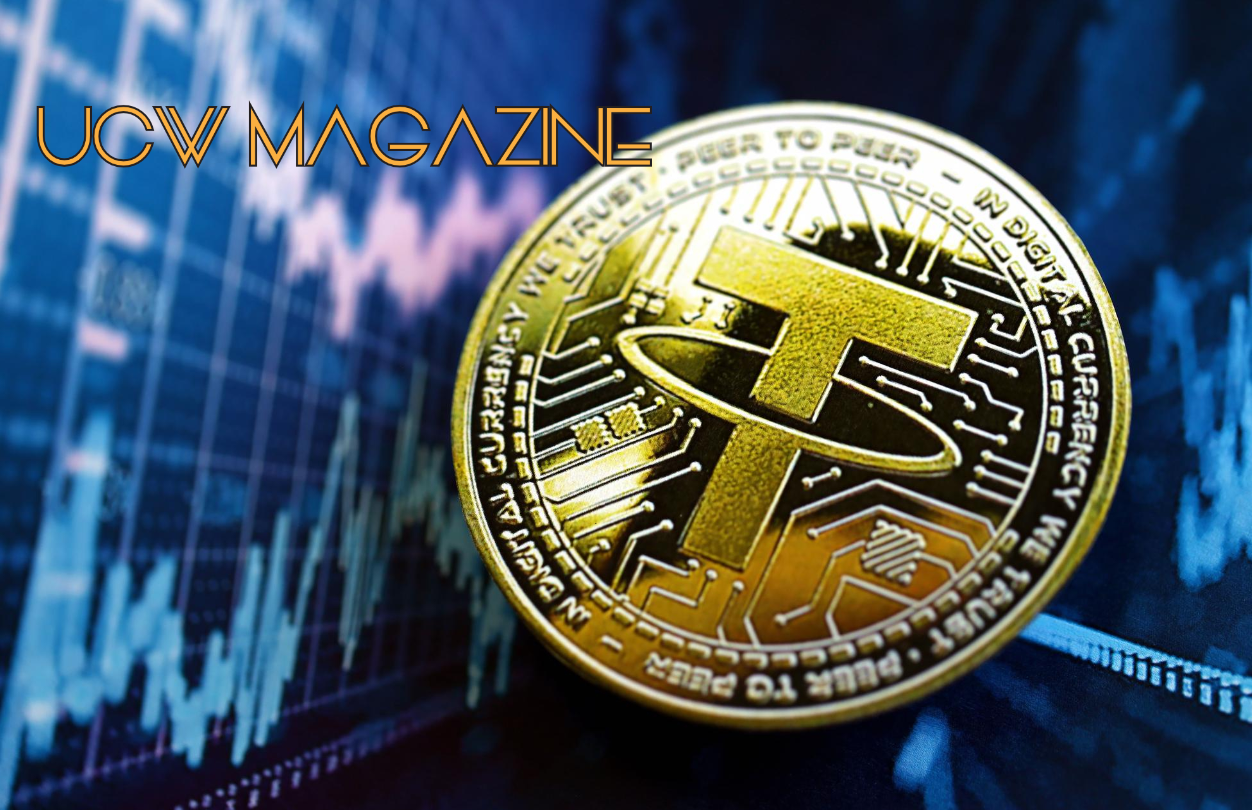
USDT: The Liquidity King That Won’t Go Away
Tether’s USDT is the most traded asset on the planet, more than Bitcoin, more than the U.S. dollar, more than any stock on Earth. It is the unofficial reserve currency of crypto, the settlement rail for emerging markets, and the liquidity engine for exchanges from Dubai to Lagos.
Critics have spent years predicting its collapse.
Instead, USDT has become too globally embedded to unwind.
Its dominance raises a question the SEC has never answered:
What happens when a private company issues more functional money than most countries?
USDC: The Regulator‑Friendly Stablecoin
Circle’s USDC is the stablecoin Washington is most comfortable with — transparent, audited, institutionally aligned. It is the stablecoin that banks, fintechs, and payment processors prefer because it feels familiar, compliant, and predictable.
USDC is the stablecoin that wants to be invited to the table.
USDT is the stablecoin that built its own table.
But both share a limitation:
They are universal, not issuer‑specific.
Every USDC is the same USDC. Every USDT is the same USDT.
That’s where the next evolution begins.
USXM: The Institutional Stablecoin That Changes the Rules
USXM, minted on the Pecu Novus blockchain, introduces a concept neither USDT nor USDC offer:
Issuer‑keyed stablecoins.
A bank, fintech, or money transfer company can issue its own version of USXM, still fungible with the main token, but cryptographically tied to the issuer’s identity.
This solves the biggest problem in stablecoins today:
universal tokens create universal risk.
With issuer‑keyed architecture:
A remittance company can control who it interacts with
A bank can maintain compliance boundaries
A fintech can build its own settlement ecosystem
Bad actors can be isolated without freezing the entire network
It’s the stablecoin equivalent of giving every institution its own “lane” on the same highway.
And it’s a model the SEC will eventually have to confront, because it aligns with the agency’s core mandate: segmentation, traceability and risk isolation.
The SEC’s Dilemma: Regulate the Token or the System?
The SEC has spent years trying to fit stablecoins into old categories:
Are they securities?
Are they money market funds?
Are they payment instruments?
Are they unregistered deposits?
The truth is uncomfortable that stablecoins are a new category of financial infrastructure.
They are programmable dollars.
They are settlement rails.
They are collateral.
They are liquidity engines.
They are the backbone of tokenized markets.
And that brings us to the next frontier.
Tokenization, The $100 Trillion Shift No One Can Stop
BlackRock, Franklin Templeton, Fidelity and hootdex.net/xJPM" target="_blank" rel="noopener noreferrer" class="mch-auto-link">JPMorgan all agree on one thing:
Everything will be tokenized.
- Treasuries
- Corporate bonds
- Real estate
- Commodities
- Credit
- Private equity
- Money market funds
Tokenization is not a trend , it is the digitization of financial infrastructure.
But tokenization cannot scale without stablecoins.
They are the settlement layer, the collateral layer, and the liquidity layer.
USDT provides liquidity.
USDC provides compliance.
USXM provides institutional segmentation and multi‑currency expansion.
Together, they form the tri‑rail system of the next financial era.
The Future is a Multi‑Stablecoin, Multi‑Issuer World and the future of finance will not be dominated by one stablecoin.
It will be an ecosystem of various blockchain based financial products:
USDT for global liquidity
USDC for regulated fintech rails
USXM for issuer‑specific, institution‑grade settlement
Tokenized assets for yield, collateral and capital markets. The SEC will eventually regulate stablecoins not as assets, but as infrastructure, the same way it regulates exchanges, clearinghouses, and settlement systems.
Because that’s what stablecoins have become.