In The Pages
AI and the Music Industry, is it an Opportunity or Obstacle for the Next Generation of Artists?

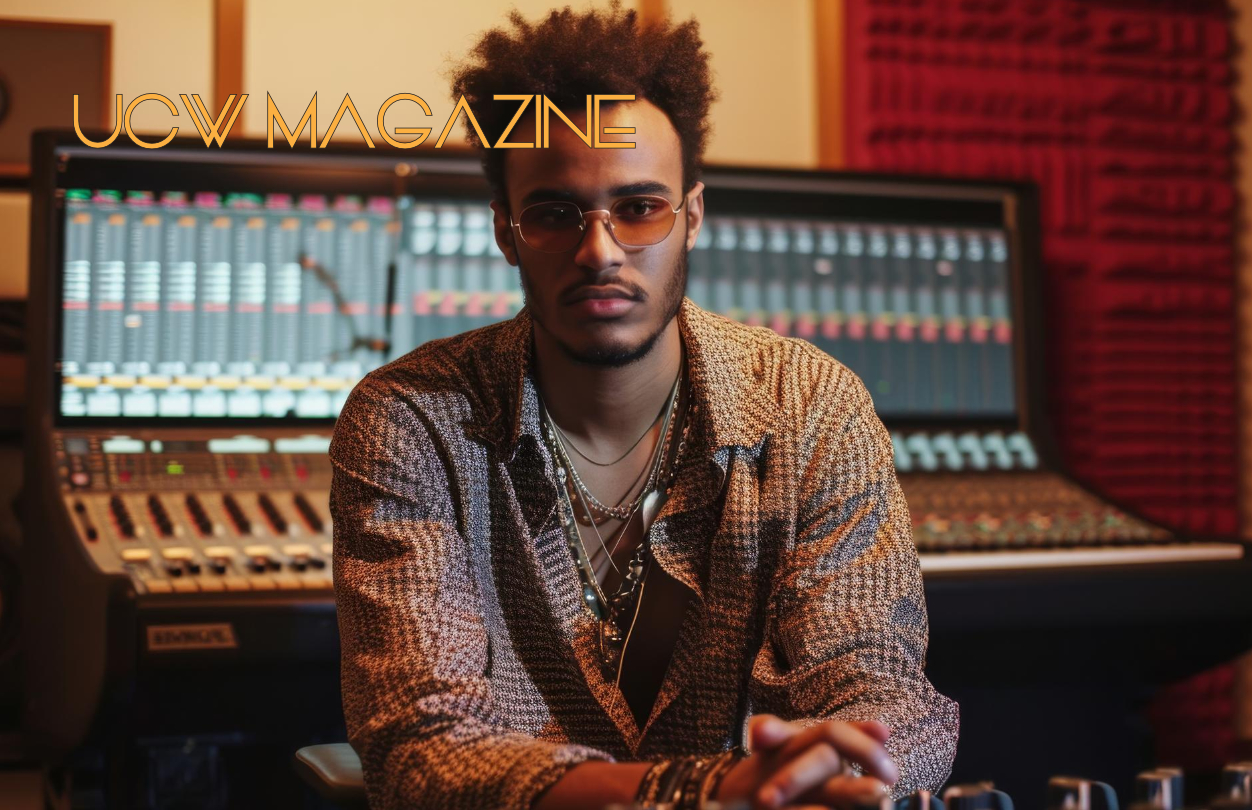





Artificial intelligence is no longer a future concept in the music industry, it is already here and it is changing how music is created, marketed and consumed. Major record labels, tech companies, and independent creators are now using AI tools to write melodies, generate lyrics, produce beats, clean vocals, and even mimic the voices of famous artists. Platforms like Spotify, YouTube and TikTok rely heavily on AI algorithms to decide which songs get promoted, recommended, or buried. While this technology is helping the industry move faster and reduce costs, it is also raising serious questions about what this means for real musicians, especially those just starting out.
For up-and-coming artists, AI is both an opportunity and a challenge. On the positive side, AI tools make music production more accessible than ever. An artist no longer needs an expensive studio, producer, or label to create high-quality tracks. AI-powered software can help with mixing, mastering, songwriting ideas, and even album artwork, allowing independent artists to compete on a more level playing field. Social media platforms also use AI to help unknown artists go viral overnight if their music connects with listeners, which was far less likely in the pre-digital era.
However, the downside is becoming harder to ignore. AI-generated music is flooding streaming platforms, making it harder for human artists to stand out. Some AI songs can be produced in minutes, while real musicians may spend months writing and recording a single track. There is also growing concern about artists’ voices and styles being copied without permission, leading to legal battles and calls for stronger copyright protections. For new artists, this means they are competing not only with millions of other musicians, but also with machines that never get tired, never ask for royalties, and can instantly adapt to trends.
So where does this leave the next generation of musicians? The answer may come down to authenticity and connection. While AI can replicate sounds, it cannot truly replicate lived experience, emotion, or personal storytelling. Fans still connect most deeply with artists who feel real and relatable. As AI continues to shape the industry, successful artists may be the ones who use AI as a tool—not a replacement—while focusing on creativity, live performances, and building genuine relationships with their audience. Just like every major shift in music history, from vinyl to streaming, AI is forcing artists to adapt. Those who learn how to work alongside it, rather than fear it, may be the ones who define the future of music.